
If you’re trying to conceive, your health is usually one of the top things on your mind. It can directly contribute to the health of your sperm /eggs and impact the chance you’ll successfully conceive. But social media can overwhelm you with supplements and strategies that can feel all consuming. It can be hard to know where to focus your energy. That’s why at Genome Ally we offer coaching to improve health outcomes through epigenetics.
Our genetic code is set in stone before we’re born, but epigenetics is the concept that genes can be turned on and off, influencing how the cells in our bodies function. Our epigenetics can be changed by environmental factors including our lifestyle. Through Genome Ally’s coaching program, we’ll help you to a healthier lifestyle, guided by the principles of epigenetics.
Our coaching program is tailored to you and your goals. It can be helpful for anyone trying to conceive or wanting to lead a healthier life. It includes:
Choosing an egg or sperm donor is an important decision that comes with a lot of genetic considerations. Donors have usually had a genetic test called expanded carrier screening performed. This testing, combined with similar testing for the other reproductive partner can help you choose a donor that feels safe. But sometimes people underestimate how complicated carrier screening and donor selection can be. That’s where Genome Ally can help.
Carrier screening tests for two types of genetic conditions: autosomal recessive and X-linked recessive. For X-linked recessive conditions, these are usually tested only in the egg provider. Most egg donors who are carriers for X-linked recessive conditions are excluded from egg donation due to a high chance of children conceived from their eggs having a genetic condition. If you see that a potential egg donor is a carrier for an X-linked condition, this is definitely something to review with us before moving forward.
Donor consultations mostly focus on autosomal recessive conditions. These are conditions where both the egg and sperm provider need to be carriers for the same condition in order for your future children to be at risk. Sounds straightforward? It might not be! As part of a Donor Consultation with Genome Ally, we’ll compare your results to up to 2 donors and check the following:
● Were you and the donor tested for the same conditions, or is one of you a carrier for something that wasn’t included on the other’s testing?
● If your donor wasn't tested for something you’re a carrier for, we’ll walk you through the chance they are a carrier so you can decide if you’re comfortable using that donor. We’ll also explain what the condition is, how severe it is, and whether there is any treatment
● If you weren’t tested for something that your donor is a carrier for, we’ll review the above, and discuss whether you want additional testing to help you decide whether this donor feels safe
● Is being a carrier for any of the conditions associated with any health risks on its own? This isn’t always listed on the report
● What are the chances that the testing missed something?
● Are any of the results unclear, and is further testing needed for yourself or your family members to help make sense of them?
● If you and the donor are carriers for the same thing, is the condition severe enough that you want to pick a different donor?
Fragile X Syndrome is a common genetic cause of intellectual disability and autism in males. It is caused by genetic differences in the FMR1 gene which is located on the X chromosome. All of our genes are made of genetic letters called nucleotides. Within the FMR1 gene is an area where three letters of the genetic code repeat themself over and over. This is called a trinucleotide (three nucleotides) repeat. Specifically, the letters CGG repeat themselves. We all have this section of CGG repeats within our FMR1 gene. But if there are too many CGG repeats this can cause Fragile X syndrome, or put our future children at risk of the condition.
There are four main sizes of FMR1 gene based on the number of CGG repeats:
Normal range: less than 45 CGG repeats
Intermediate range: 45-54 CGG repeats
Premutation range: 55-200 CGG repeats
Full mutation range: over 200 CGG repeats
If you’ve been told that you have a premutation in the FMR1 gene and you’re female, your future children conceived with your eggs are likely at risk of Fragile X syndrome. There could also be health implications for yourself and your family members.
At Genome Ally, we’ll help you navigate all of your options as a Fragile X premutation carrier. We’ll help you understand what this means for yourself, your fertility, and the health of your family members. We’ll also help you understand what Fragile X Syndrome is, how severe it is, and the chance that your future children could have the condition. It’s important to know that just because you’re a carrier doesn’t mean all your children will have the condition. Different repeat sizes have different levels of risk, and there are ways to prevent passing the premutation on to the next generation using IVF with PGT-M.
If you’ve learned that you’re a FMR1 premutation carrier, your family members may be interested in doing testing themselves. This can help them understand if they are at risk of having a child with Fragile X Syndrome, whether they are at risk of any health conditions associated with the premutation, and can help you if you’re planning to do IVF with PGT-M. If your family members need FMR1 testing, Genome Ally can help. Have your relatives set up a new patient appointment with Genome Ally and we’ll handle everything from there. Please note that standard appointment and testing fees apply.
Have you already spoken to your doctor or genetic counselor about your genetic results, but still have doubts or feel like something isn’t quite right? A second opinion from Genome Ally can often make the difference.
There are many reasons why you might be left with more questions than answers after your first appointment to review genetic results. Maybe your healthcare provider doesn’t have expertise in the genetics of a specific condition, or your appointment was too short and so only the basics were covered. At Genome Ally, genetics is all that we do, so you can be confident that we have the knowledge to answer all of your questions. Plus, we work closely with genetic testing labs to deep dive into your results. This means if more information is needed, we make sure to find it. If you learned that your child or future children are at risk of a disease, we’ll help you understand how severe it is and discuss whether IVF with PGT-M is right for you. If more testing is needed to understand your results we can help with this too.
We know it’s hard to feel like another healthcare provider will be able to help when the first hasn’t been there for you in the way that you needed it. But at Genome Ally you are our top priority. We’ll meet you where you’re at so you can feel confident you’ll get the answers you’re looking for.
If IVF isn’t working as expected, or you’ve experienced multiple pregnancy losses, there could be a genetic cause that is not identified by standard testing. Genetic testing for infertility and pregnancy loss is becoming increasingly complex, and accessing this testing at your fertility clinic can be a challenge. At Genome Ally, we keep up to date on new gene discoveries, and know which laboratories offer the most advanced fertility genetic testing. By working with us, we’ll help you understand whether your infertility and/or losses could be genetic, and whether genetic testing makes sense for you.
We offer advanced genetic testing to those experiencing infertility, IVF failure, and recurrent pregnancy loss. Using whole genome sequencing, we focus on candidate genes that are linked to your specific symptoms and experience. We don’t want a cookie-cutter testing experience. When tests are pre-designed by a laboratory, they are often outdated and don’t include genes that have just been discovered. Our method allows us to tailor what we test for each patient, making sure testing is as cutting-edge as possible.
You might consider advanced genetic testing if you’ve experienced:
Concerns with oocyte maturity during IVF, especially over the course of multiple IVF cycles. This might mean that eggs are retrieved, but your doctors tell you they aren’t mature and can’t be fertilized.
Embryonic arrest during IVF. If your eggs fertilize but stop growing before they reach the blastocyst stage, this is referred to as embryonic arrest. If this happens with all of your embryos, especially in more than one IVF cycle there could be a genetic cause.
Sperm quality issues, or fertilization failure. There are many genes that can cause differences in sperm motility, morphology, and count, as well as genes that can prevent normal looking sperm from fertilizing eggs. If you want to investigate whether there is a genetic cause for sperm-related issues, we can help.
Recurrent pregnancy loss. Often, recurrent pregnancy loss is brushed off as bad luck. This can be frustrating, and leaves you wondering what to do and whether you will ever be successful. At Genome Ally we’ll look at the full picture, making sure anything genetic has been checked for you, from chromosome analysis to testing of newly discovered genes. We can also connect you to ongoing research being done in this area if you’re interested in contributing.
Advanced genetic testing can sound complicated, but it’s actually as simple as a single cheek swab done in the comfort of your own home. Depending on your needs and comfort level, we can ask the testing lab to report conditions that may impact you and your future children. Plus since we’re experts at interpreting the information created from genetic testing, we ensure you have access to all information that could be helpful. This means both pathogenic and likely pathogenic variants (genetic changes that clearly cause disease) and variants of uncertain significance (VUSs). For those who don’t specialize in genetics, VUSs can be confusing, but for us they could be the clue to what is causing your infertility.
If you’ve undergone IVF with PGT-A, you probably have questions about your test results. There’s a lot for your clinic to talk to you about, and genetic results may not get much attention. At Genome Ally, genetics is all we do, so we know that your PGT-A results have a lot more nuance than most people realize.
We know each person who comes to us for a PGT result consultation is unique, so we always tailor our discussions to you and your needs. Some common things discussed as part of these consults include an explanation of how PGT is performed, different types of results, nuances of your testing laboratory, what your results mean, chance your embryos will be successful, risks of transferring embryos, explanation of genetic tests you can do during pregnancy, and help deciding whether you want to move forward with transfer or consider other options (e.g. further IVF with own or donor eggs, etc.).
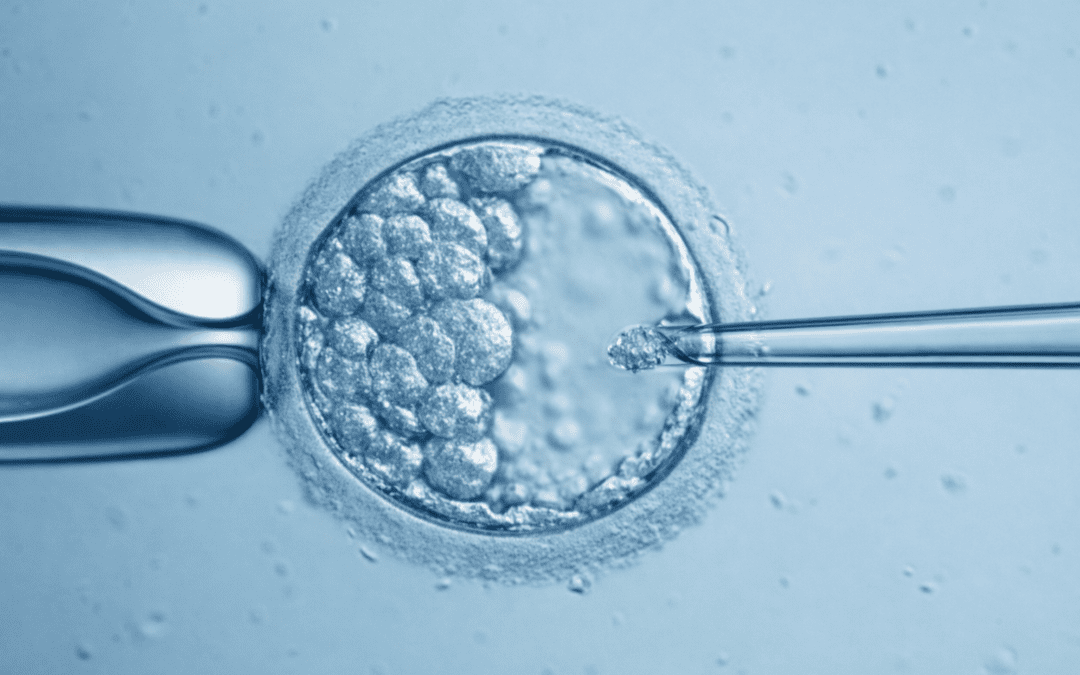
To understand your results it is first important to know how PGT-A is done. As your embryos grow in the laboratory, your embryologists will wait for them to reach a stage of development called the blastocyst stage (usually day 5-6 after fertilization). At this time, they can clearly see two areas of the embryo: the trophectoderm (will eventually develop into the placenta if a pregnancy occurs) and the inner cell mass (will eventually develop into the fetus if a pregnancy occurs). To do PGT-A, they remove approximately 5-10 cells from the trophectoderm. This is called a trophectoderm biopsy.
The biopsy sample is sent to the PGT-A laboratory for testing while your embryos are frozen safely at your fertility clinic. The cells from the biopsy are opened, the DNA is removed and amplified so there is enough DNA to test, and the genetic material is analyzed. As the quantity of the DNA obtained from an embryo is very small, the PGT-A laboratories use genetic techniques that are different from those used in adults, children and prenatal testing of pregnancies. These techniques include next generation sequencing and single nucleotide polymorphism (SNP).
There are four main types of PGT-A results, but even among those categories there are different sub-types. Here’s an overview of the result types, including some important information your clinic may not have told you.
Euploid: This is a result that showed no genetic abnormalities within the scope of the test. PGT-A can’t test for everything, but the test can screen for chromosome number in the sample. This test result means nothing of concern was found. Embryos with this type of result usually have the highest chance of leading to an ongoing pregnancy and the lowest chance of miscarriage. It is important to be aware that this doesn’t mean an embryo with this type of result is guaranteed to lead to a pregnancy. Embryos with this result type can still fail to implant, can still lead to a miscarriage or may have a genetic condition.
Aneuploid. This means a chromosome difference was detected in the sample tested. There are different sub-types of aneuploid results including whole chromosome, segmental, and chaotic. The most common type of aneuploid result is a whole chromosome aneuploid, meaning that an entire copy of a chromosome is missing (only one copy when there should be two, referred to as a monosomy) or extra (three copies when there should be two, referred to as a trisomy). Embryos with monosomies or trisomies typically don’t implant into the uterus, miscarry in the first trimester, or lead to pregnancies with genetic syndromes. The other sub-types of aneuploid results are more complex. Sometimes they can lead to healthy babies, but the research on these result types is newer. One of the benefits of meeting with Genome Ally to review your results is so that you can understand which sub-type of aneuploid results you have, the chances that they could lead to a birth, and the risks associated with transfer. Aneuploid embryo transfer isn’t right for everyone and we know it can bring up mixed emotions. By reviewing your aneuploid results you might realize you have a sub-type that could lead to a live birth, or get closure by understanding why transfer of these embryos is not right for you.
Mosaic. A mosaic result suggests that some of the cells tested contained a chromosome difference (were aneuploid) but some of the cells tested were chromosomally normal (were euploid). Embryos with mosaic PGt results often lead to healthy babies but may have a lower chance of implantation, or a higher chance of miscarriage compared to embryos with completely euploid results. The chance of this depends on different factors relating to the result including the type of chromosome difference detected, number of chromosome differences detected, and approximate ratio of normal to abnormal cells (sometimes called the level of mosaicism). We’ll explain your mosaic result in a way that you can understand, and help you decide if you’re comfortable transferring.
No result. Rarely, PGT-A can’t produce a result for an embryo. This can be frustrating when you’ve waited so long for results and paid for testing, only to find out that the testing couldn’t report any answers. Not getting a result can leave you wondering why this happened, and what it means for your embryo. During our consultation we’ll let you know what the research shows, and help you decide what you’re comfortable doing depending on all your available options.
This has been a very brief overview of some of the results you can get from PGT-A. But the reality is that results are never straightforward. One complication of testing is that the result you get for an embryo can depend on the laboratory that performed the testing. Remember that multiple cells are tested as part of the process? If some cells are normal and some are abnormal, this is referred to as a mosaic result. But it gets more complex because not all laboratories report mosaicism, your doctor can choose to not have mosaicism reported, and different laboratories have different definitions of each result category. One laboratory might say that if an abnormality is present in 20-80% of the sample, they call it mosaic. If less than 20% of the sample is abnormal they call it euploid, and if more than 80% is abnormal they call it aneuploid. But a different laboratory might say that anything over 60% abnormal is aneuploid. What one lab calls mosaic, another may call aneuploid. This complicates things, since embryos with mosaic results are often considered for transfer, while aneuploids are not.
With a PGT Result Review consultation at Genome Ally, we’ll dive deep into your PGT results, including how your testing lab defines their result categories. If we identify a discrepancy that we think might impact your decision to transfer an embryo, we’ll make sure to share this with you. PGT-A might be complex, but that doesn’t mean you need to be overwhelmed by it. We’ll help make it easier.
Every family is unique, so each Genome Ally appointment is tailored to you and your needs. What we talk about depends on why you are meeting with us. There are many types of genetic conditions that can play a role in family building. Here are some examples of things that might be in your family that we help with, and a brief overview of what your appointment might include. Don't see what you're looking for? Reach out to see if we can help:
Autosomal dominant conditions: If you or your partner has an autosomal dominant condition, this means each pregnancy will have a 50% chance of being at risk of the condition too. For some people this means themselves and their relatives have struggled with the disease, and they want to ensure their children don't live with the same challenges. If you have this type of condition in your family we'll answer all your questions about it, discuss genetic testing you might need, and review options for testing in pregnancy, or preventing the condition from being passed on with in vitro fertilization (IVF) and preimplantation genetic testing for monogenic condition (PGT-M). Some common examples of autosomal dominant conditions include Autosomal Dominant Polycystic Kidney Disease (ADPKD), Marfan Syndrome, Osteogenesis Imperfecta, Ectodermal Dysplasia, conditions affecting vision, and conditions that impact hearing
Autosomal recessive conditions: If you and your partner have done a genetic test called carrier screening, you may have learned that you are both carriers for the same condition or trait. This can come as a surprise because you likely don't know anyone in your family with that disease, which brings up a lot of questions or you may have a family member affected by the genetic disease. We'll help you understand the condition and how severe it is, whether there is treatment for someone who has the condition, and ways to reduce the chance of having a child with the condition if you're concerned, like testing in pregnancy or IVF with PGT-M. Examples of common autosomal recessive conditions include Cystic Fibrosis, Sickle Cell Disease, Spinal Muscular Atrophy, and Inborn Errors of Metabolism
X-linked conditions: X-linked conditions are caused by genes on our X chromosome, and because of this, males are more likely to have these diseases, while females are more likely to be healthy carriers. You might know you're a carrier for an X-linked condition because someone in your family has the disease, or if you did a genetic test (carrier screening) before trying to conceive. We'll answer your questions about the condition, and discuss ways you can test for it in pregnancy. If you're wanting to lower the chances of it getting passed on to your future children, we'll talk about ways to do this too via IVF and PGT-M. Some examples of these conditions include Fragile X Syndrome, Duchenne Muscular Dystrophy, and X-linked adrenoleukodystrophy
Previous pregnancy with a genetic complication: If you've been pregnant in the past and a genetic difference was identified, we know this can make it very difficult to feel comfortable moving forward with another pregnancy in the future. We'll help you understand the results of any genetic testing that was performed, talk about the chance that something similar could happen in a future pregnancy, and review tests that you can do before or during your next pregnancy as well. Some examples of what you may have experienced in a prior pregnancy include chromosome differences like Down Syndrome or other trisomies, triploidy, molar pregnancy, microdeletions or microduplications, and genetic changes in a single gene
De novo genetic variations in a child, including history of autism: A de novo genetic variant is a genetic change that happens brand new in a person and isn't passed down from either parent. If you have a child or pregnancy with this type of genetic difference, we know the shock it can cause since there is no way you could have seen it Thinking of having a child after you've had a pregnancy with a de novo genetic change can be complex. Strong feelings of love for your disabled child can bring on feelings of guilt if you're wanting to reduce the risk of having a child with a similar condition. It's normal to feel this way, and we're here to help you navigate these complex feelings. We'll help you understand the chance that something similar can happen again, and review whether there are any steps you can take to reduce the risk as well. Some examples of de novo genetic conditions include Angelman Syndrome and Prader Willi Syndrome.
Chromosome rearrangements: If you or your partner have a chromosome rearrangement this means you have a difference in how your own genetic material is arranged. How this impacts things depends on your exact genetic change, but it could increase the chance that you struggle with infertility, recurrent pregnancy losses, or it can cause a higher chance to have a child with a genetic condition. Whether you have a balanced translocation, Robertsonian translocation, inversion, or sex chromosome difference, we'll help you understand what your results mean for you, your fertility, and your future pregnancies. We'll discuss testing you can do if you get pregnant without the help of a fertility clinic, and how a fertility clinic can help you conceive via IVF and genetic testing of embryos (PGT-SR).
If your future children are at risk of a genetic condition and you’re planning IVF with PGT-M, there are a lot of steps involved in the process. Usually the first step is for the PGT-M laboratory to custom design the test for your embryos. This might be called the test design stage or probe development. Test design involves submitting the relevant genetic test reports to the testing lab. DNA samples, often collected via a cheek swab from yourself, your partner, and other family members are usually needed as well. With so many steps involved, and lots of back and forth between your fertility clinic and PGT laboratory, we know that the test design process can get overwhelming. That’s why Genome Ally is here to help, especially if your test development is feeling challenging.
Your family members are an important part of your PGT-M test design. Their genetic results and DNA are needed so that your PGT-M test is more accurate. PGT-M will test for the exact genetic change(s) that cause the disease you are screening for. But testing DNA from an embryo has limitations. To increase the accuracy of testing, PGT-M laboratories prefer to also test for DNA markers that are located above and below the genetic change(s) of interest. In order to identify those markers, DNA samples from your relatives are needed. Which relatives are needed will depend on your specific case, but parents, children (if applicable) or siblings are commonly used. Since these relatives are involved, they often need to have had their own genetic testing for the same condition performed before they can participate in the PGT-M test design process.
Do your relatives need help getting testing done so they can be involved in your PGT-M test design? Genome Ally can help with this too! First, ensure you know which relatives need testing. Then have your relatives set up a new patient appointment with Genome Ally. Please note that standard appointment and testing fees apply.
Since we work with PGT-M cases every day this means that we’re able to help with cases that others consider complex. For example, if you’ve been told that your condition or genetic change can’t be tested for using PGT-M, that may not be the case. It might just be that the PGT-M laboratory usually used by your clinic can’t help, but a different one could. At Genome Ally, we work with all PGT-M laboratories in the United States. Get in touch and we’ll see if we can help find a lab that works for you.
There are many ways we support complex PGT-M care, including:
Cases where family members aren’t available to participate in the test design process. If your parents have passed away or can’t be involved, you may still have the option to proceed with PGT-M
Cases where family members live overseas
Cases involving a de novo genetic change in a child. This means you have a child/pregnancy with a genetic difference and yourself and partner/donor don’t carry the same thing
Chromosome deletions
Non-disclosure PGT-M (For example: Huntington disease)
PGT-HLA matching
PGT-SR cases that have been declined by your IVF clinic’s laboratory
If you’ve been told you have a genetic condition or think you do, but haven’t done genetic testing yet, Genome Ally can help. There are many genetic conditions that are diagnosed based on your symptoms, or a clinical assessment by your doctor, but the only way to know exactly what is going on is with genetic testing.
Some common conditions that we help with are:
Familial hypercholesterolemia
Autosomal dominant polycystic kidney disease
Fragile X syndrome
Premature Ovarian Insufficiency
Hypogonadotrophic hypogonadism
Globozoospermia
Hypermobile Ehlers Danlos Syndrome (hEDS) (No causative genetic etiology is known for hEDS; however, genetic testing is available to rule out other EDS subtypes).
A genetic test result can help in so many ways:
Confirm your diagnosis and get answers you’ve been looking for
Learn if there are any other health concerns that could come up in the future that you aren’t yet aware of
Understand whether other family members are at risk of the same condition
Use your test results to prevent your future children from developing the same condition via IVF with PGT-M
Appointments with Genome Ally are virtual, so how do you get genetic testing done? The majority of the laboratories we partner with use at-home saliva/ buccal swab kits. These are shipped directly to you, and you simply follow the instructions to provide a saliva sample and send it back. If a blood sample is required instead, most labs can coordinate a mobile blood draw visit at your home with no additional cost.
Is genetic testing expensive? Most genetic tests can be submitted to your medical insurance for coverage, and many laboratories also offer affordable self-pay options when insurance is not preferred or available. Some multi-gene panels can cost as little as $250 when paid directly. It’s important to confirm the expected cost with the lab before returning your test kit. For certain tests you may qualify for sponsored programs that cover the full cost, allowing testing to be completed at no out-of-pocket expense.
If you or a family member have a genetic condition, we understand that you probably have a lot on your mind if you're thinking about having a baby. Maybe you're not sure how severe the disease is or what the symptoms are. You might wonder about the chance that your baby will have the same disease, or could be curious about how you can test for it or prevent it. With so many things to consider it can get overwhelming. That's why Genome Ally is here to make sure you don't have to do it alone.
Every family is unique, so each Genome Ally appointment is tailored to you and your needs. What we talk about depends on why you are meeting with us. There are many types of genetic conditions that can play a role in family building. Here are some examples of things that might be in your family that we help with, and a brief overview of what your appointment might include. Don't see what you're looking for? Reach out to see if we can help:
Autosomal dominant conditions: If you or your partner has an autosomal dominant condition, this means each pregnancy will have a 50% chance of being at risk of the condition too. For some people this means themselves and their relatives have struggled with the disease, and they want to ensure their children don't live with the same challenges. If you have this type of condition in your family we'll answer all your questions about it, discuss genetic testing you might need, and review options for testing in pregnancy, or preventing the condition from being passed on with in vitro fertilization (IVF) and preimplantation genetic testing for monogenic condition (PGT-M). Some common examples of autosomal dominant conditions include Autosomal Dominant Polycystic Kidney Disease (ADPKD), Marfan Syndrome, Osteogenesis Imperfecta, Ectodermal Dysplasia, conditions affecting vision, and conditions that impact hearing
Autosomal recessive conditions: If you and your partner have done a genetic test called carrier screening, you may have learned that you are both carriers for the same condition or trait. This can come as a surprise because you likely don't know anyone in your family with that disease, which brings up a lot of questions or you may have a family member affected by the genetic disease. We'll help you understand the condition and how severe it is, whether there is treatment for someone who has the condition, and ways to reduce the chance of having a child with the condition if you're concerned, like testing in pregnancy or IVF with PGT-M. Examples of common autosomal recessive conditions include Cystic Fibrosis, Sickle Cell Disease, Spinal Muscular Atrophy, and Inborn Errors of Metabolism
X-linked conditions: X-linked conditions are caused by genes on our X chromosome, and because of this, males are more likely to have these diseases, while females are more likely to be healthy carriers. You might know you're a carrier for an X-linked condition because someone in your family has the disease, or if you did a genetic test (carrier screening) before trying to conceive. We'll answer your questions about the condition, and discuss ways you can test for it in pregnancy. If you're wanting to lower the chances of it getting passed on to your future children, we'll talk about ways to do this too via IVF and PGT-M. Some examples of these conditions include Fragile X Syndrome, Duchenne Muscular Dystrophy, and X-linked adrenoleukodystrophy
Previous pregnancy with a genetic complication: If you've been pregnant in the past and a genetic difference was identified, we know this can make it very difficult to feel comfortable moving forward with another pregnancy in the future. We'll help you understand the results of any genetic testing that was performed, talk about the chance that something similar could happen in a future pregnancy, and review tests that you can do before or during your next pregnancy as well. Some examples of what you may have experienced in a prior pregnancy include chromosome differences like Down Syndrome or other trisomies, triploidy, molar pregnancy, microdeletions or microduplications, and genetic changes in a single gene
De novo genetic variations in a child, including history of autism: A de novo genetic variant is a genetic change that happens brand new in a person and isn't passed down from either parent. If you have a child or pregnancy with this type of genetic difference, we know the shock it can cause since there is no way you could have seen it Thinking of having a child after you've had a pregnancy with a de novo genetic change can be complex. Strong feelings of love for your disabled child can bring on feelings of guilt if you're wanting to reduce the risk of having a child with a similar condition. It's normal to feel this way, and we're here to help you navigate these complex feelings. We'll help you understand the chance that something similar can happen again, and review whether there are any steps you can take to reduce the risk as well. Some examples of de novo genetic conditions include Angelman Syndrome and Prader Willi Syndrome.
Chromosome rearrangements: If you or your partner have a chromosome rearrangement this means you have a difference in how your own genetic material is arranged. How this impacts things depends on your exact genetic change, but it could increase the chance that you struggle with infertility, recurrent pregnancy losses, or it can cause a higher chance to have a child with a genetic condition. Whether you have a balanced translocation, Robertsonian translocation, inversion, or sex chromosome difference, we'll help you understand what your results mean for you, your fertility, and your future pregnancies. We'll discuss testing you can do if you get pregnant without the help of a fertility clinic, and how a fertility clinic can help you conceive via IVF and genetic testing of embryos (PGT-SR).